
Exploring Transparent OLED Technologies in Museums
Exploring Transparent OLED Technologies in Museums
Transparent OLED technology is at the forefront of innovation in the museum sector, revolutionizing how exhibits are presented and experienced by visitors. With a capacity to blend seamlessly with their surroundings, Transparent OLED Displays allow museums to showcase artifacts while also providing dynamic digital content. This dual capability not only enhances the visual experience but also promotes deeper engagement with historical and artistic works.
What is Transparent OLED Technology?
At its core, Transparent OLED (Organic Light Emitting Diode) technology is designed to provide a see-through display that is both vibrant and highly functional. Unlike traditional displays, which can block views and feel intrusive, Transparent OLEDs illuminate images and videos while allowing objects behind them to remain visible. This is accomplished through layers of organic materials that emit light when an electric current is applied—creating a captivating visual effect without sacrificing transparency.
Transforming Museum Spaces
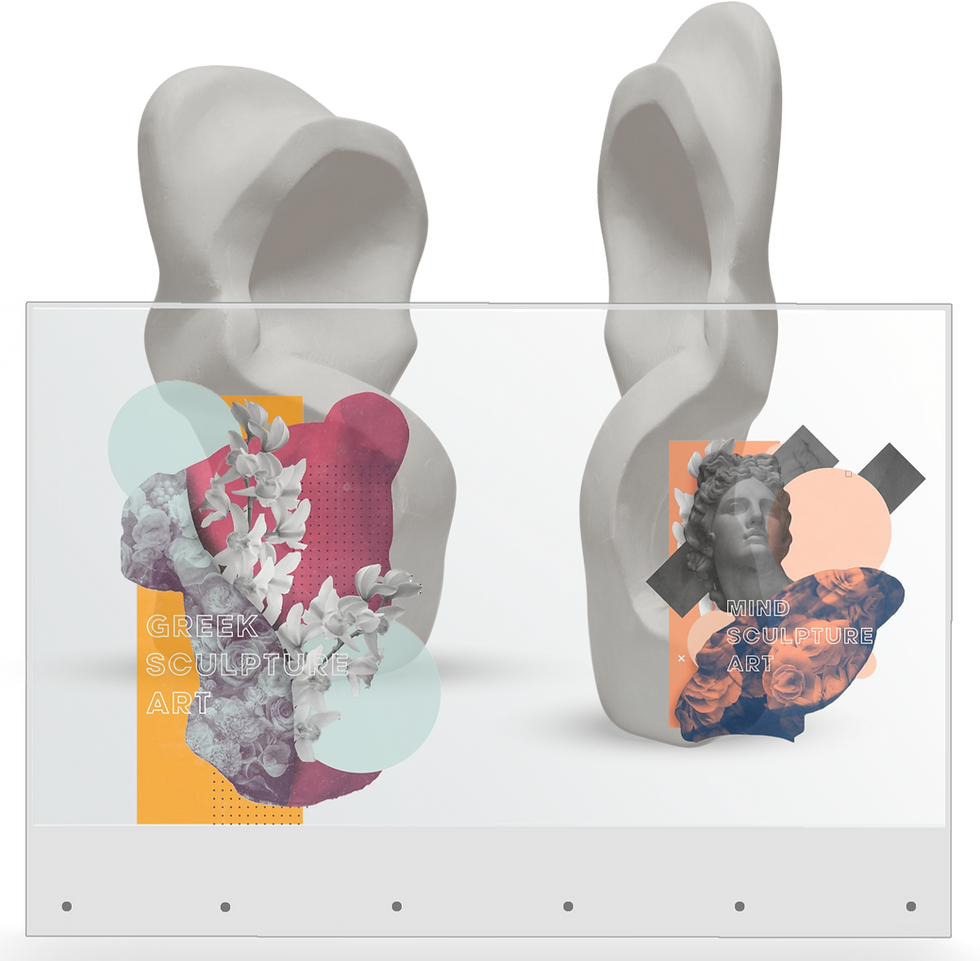
The implementation of Transparent OLEDs in museums is multifaceted. For instance, imagine a classic painting being displayed behind a transparent OLED screen that plays a short documentary about the artist's life or the history of the piece. This technology can bring static displays to life, creating a rich narrative layer that complements the physical artifacts.
A notable application is using these screens for exhibitions featuring delicate items that are typically housed in glass cases. Transparent OLEDs can create an immersive backdrop, where informative graphics and videos can inform visitors about the item, while the artifact remains the focal point of the display. This approach leaves spectators not only admiring the art but also actively engaged with its story, enhancing their overall learning experience.
Enhancing Visitor Engagement
The versatility of Transparent OLEDs extends beyond simple display areas. They can be strategically placed throughout a museum to provide interactive experiences. By integrating touch technology, visitors can explore additional layers of content, such as virtual tours or expert interviews. Imagine a museum tour that allows visitors to tailor their experience based on interests—deciding to explore the Renaissance or delve deeper into the Impressionists with just a touch of their hand.
Interactive installations using Transparent OLEDs can also provide educational opportunities for students and families. Children can interact with exhibits by engaging in activities that are both enjoyable and informative, learning about history or science in an unforgettable way. The ability of this technology to showcase engaging, dynamic content encourages curiosity and longer dwell times at exhibits, enriching visitors’ experiences.
Sustainable and Economical Benefits
There are practical benefits to adopting Transparent OLED technology as well. As museums seek to become more sustainable, this technology offers energy-efficient solutions. Traditional display methods often require extensive lighting and power, whereas Transparent OLEDs feature lower energy consumption due to their ability to emit light without needing additional backlight sources.
Moreover, with advancements in OLED production, museums can consider the long-term economic viability of adopting such technology, reducing the need for frequent updates to exhibit displays. By utilizing Transparent OLEDs, museums can develop a fluid approach to exhibitions, allowing them to refresh content easily and maintain a modern ambiance. The ability to adapt how exhibits are presented positions museums at the cutting edge of visitor engagement.
Conclusion
In conclusion, Transparent OLED technology is poised to revolutionize the way museums exhibit artifacts and interact with visitors. Its unique ability to blend visibility with vibrant imagery opens a world of possibilities where the past meets the present. Museums leveraging this technology can create an immersive, engaging, and educational environment that inspires curiosity and enhances the overall experience. The future of museums is not just about what we see, but **how** we see it—and Transparent OLEDs are leading that charge into a brighter, more engaging future.



Comments